

How Modern Infrastructure Shapes Learning
In the 21st century, education is undergoing rapid transformation. Classrooms are no longer limited to chalkboards and textbooks; they are becoming dynamic environments that integrate technology, sustainability, and inclusivity. Central to this transformation is infrastructure. The design, layout, and functionality of a school campus directly influence how students learn, how teachers teach, and how communities engage.
This comprehensive analysis explores how modern infrastructure serves as the foundation for educational excellence, examining the critical role of physical environments in shaping learning outcomes and the strategic planning required to build tomorrow’s campuses.

The Critical Impact of Infrastructure on Student Achievement
Research-Backed Evidence
Educational research confirms that a school’s physical environment plays a critical role in student achievement. Well-designed spaces encourage collaboration, support creativity, and promote inclusivity.
A study supported by the American Institute of Architects found that students in well-lit rooms scored up to 25% higher on exams compared to peers in poorly lit classrooms.
Environmental Quality Factors
- Natural daylight and ventilation improve retention and focus
- High ceilings and flexible furniture facilitate group work
- Accessible design ensures all students can participate fully
- Clean, comfortable spaces promote engagement and well-being
- Reliable digital infrastructure enables real-time global learning
25%
Higher Test Scores
Students in well-lit classrooms outperform peers in poorly designed spaces
15%
Better Attendance
Students in comfortable, well-designed spaces show increased school attendance
30%
Enhanced Focus
Proper acoustics and lighting contribute to improved concentration levels
40%
Improved Air Quality
Modernized schools show significant improvements in indoor environmental quality
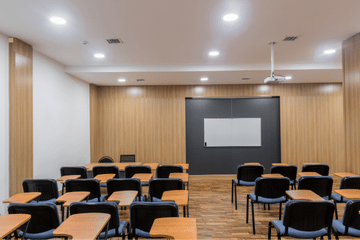
The conclusion is clear: infrastructure is not a passive backdrop. It actively shapes how and what students learn, influencing both academic performance and long-term well-being. Modern campuses integrate digital tools—interactive whiteboards, projectors, computers, and reliable Wi-Fi—that allow teachers to design multimedia lessons and students to engage with global knowledge in real time.
“Infrastructure is not a supporting element of education—it is a central pillar. When we invest in modern, student-centered campuses, we signal to children that they are valued and deserving of the best.”
Essential Features of Modern Educational Infrastructure
Traditional classrooms often lock students into a single way of learning. But today, education demands collaboration, digital tools, and inclusivity. Scalable designs allow schools to adjust layouts, integrate new technology, and accommodate changing class sizes without major overhauls. Simply put, they future-proof learning spaces.
Smart Classrooms
Technology-rich spaces equipped with interactive whiteboards, projectors, tablets, and high-speed internet that make learning collaborative. Teachers can stream live events, enable tablet-based collaboration, and leverage digital curricula to prepare students for a technology-driven future.
STEM Laboratories
Well-designed laboratories with flexible benches, 3D printers, and prototyping kits that support hands-on experimentation. Students develop curiosity and practical skills by engaging directly with scientific tools, bridging classroom theory with real-world application.
Digital Resource Centers
Modern libraries combining quiet study zones with collaborative spaces and digital hubs. Multimedia stations, e-learning platforms, and makerspaces support both independent research and group collaboration for all learning styles.
Strategic Master Planning for Future-Ready Schools
Building a future-ready school requires strategic, long-term master planning that aligns infrastructure investments with educational goals. A comprehensive plan allows schools to anticipate and adapt to evolving needs rather than reacting to problems as they arise.
1——–
Enrollment Projections
Anticipating demographic shifts ensures facilities can expand to accommodate future student populations through modular design and reserved development space.
2——–
Curriculum Evolution
Planning for new programs like advanced STEM, arts, or vocational training requires designing adaptable labs and workshops that can evolve with educational needs.
3——–
Digital Infrastructure
Upgrading broadband networks, wiring, and power supply to support campus-wide digital learning, including extra conduits for future expansion without costly retrofits.
4——–
Community Integration
Designing shared facilities like auditoriums, sports fields, and community gardens that strengthen school-neighborhood ties and build support for funding.
Sustainability and Safety: Foundation Elements
Green Building Features
- Solar panels and renewable energy systems
- Rainwater harvesting and water conservation
- Classroom gardens as living laboratories
- Energy-efficient lighting and HVAC systems
- Sustainable materials and construction practices
Students in “green schools” develop stronger pro-environmental attitudes and behaviors, learning stewardship habits that last a lifetime.
Safety and Accessibility
- Comprehensive fire safety and sprinkler systems
- Secure entry points and emergency protocols
- Adequate lighting and clear sight lines
- Compliance with ADA and safety regulations
- Universal design with ramps and accessible facilities
Universal design ensures that when students feel safe and included, they are free to focus fully on learning without barriers.
Vision for Tomorrow’s Educational Campuses
The schools of the future will be more than academic institutions—they will be ecosystems that nurture curiosity, creativity, and resilience. These campuses will combine traditional learning spaces with flexible innovation zones, outdoor classrooms, and wellness-focused designs that enhance both academic and emotional well-being.
Biophilic Design
Natural light, green courtyards, and outdoor learning spaces that enhance mental health and create connections with nature.
Digital Integration
Seamless technology infrastructure that prepares students for an interconnected world while supporting personalized learning.
Flexible Innovation Zones
Adaptable spaces that can transform to support different learning modes, from collaborative projects to individual focus work.
Key Takeaway
Future-ready schools embody the principle that every child deserves the best environment to learn, grow, and contribute to society. By designing campuses that are safe, inclusive, sustainable, and technologically advanced, we shape not only education but the future itself.