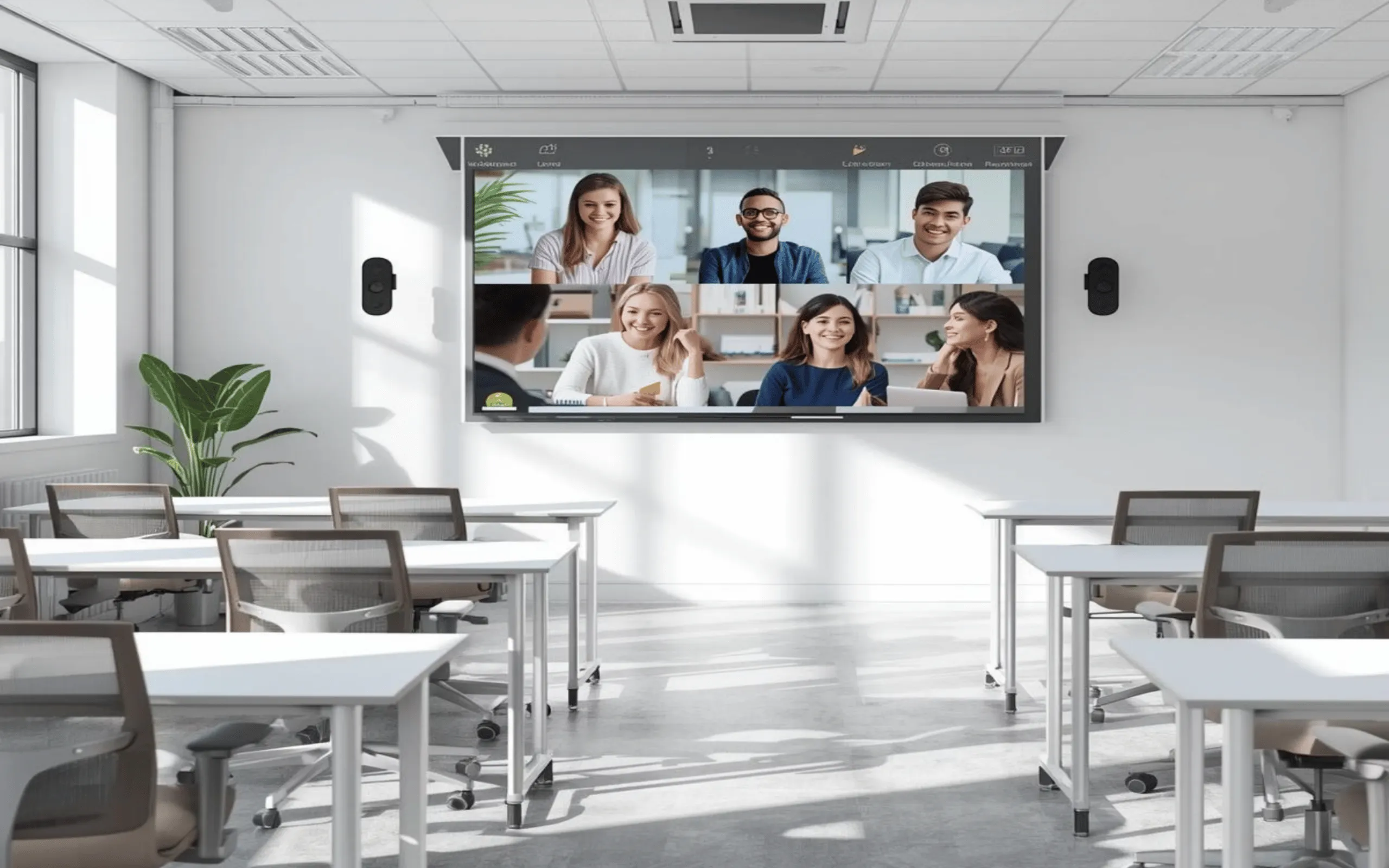

The Future of Learning Spaces

Classrooms are changing. They’re no longer four walls with rows of desks—they’re becoming flexible, technology-driven spaces that adapt to how students learn best. Smart and scalable classroom designs are at the heart of this transformation, creating environments that grow with schools and inspire learners.

Dedicated Collaborative
Spaces

Zones designed specifically for group projects and peer-to-peer learning foster teamwork and communication skills.
Dynamic Learning
Environments

Modern aesthetics, natural light, and adaptable layouts create inspiring spaces that support diverse learning styles.

Seamless Technology
Integration

Modern aesthetics, natural light, and
adaptable layouts create inspiring and
stimulating spaces that cater to diverse learning styles.
Flexible Furniture
Arrangements

Adaptable desks, chairs, and stations enable smooth shifts between solo work, group collaboration, and class discussions.

 

Data-Driven Insights: Trends in Modern Classroom Design

Modern classroom design is rapidly evolving, driven by pedagogical research and technological advancements. Understanding current statistics and emerging trends is crucial for educators and administrators looking to create dynamic, future-proof learning environments. This section explores key data points shaping the future of educational spaces.

Student Engagement Improvements

Studies consistently show that well-designed learning spaces significantly boost student participation and motivation.

The pie chart highlights increased participation as the leading benefit, followed by enhanced collaboration among students, leading to a more dynamic learning atmosphere.

Cost Savings from Scalable Designs

Scalable designs save costs by reducing renovations, improving energy efficiency, and ensuring long-term economic viability.

Scalable designs save costs by reducing future renovation needs, improving energy efficiency, optimizing resource use, and demonstrating long-term economic viability.

These trends underscore the importance of thoughtful, data-informed design in creating educational spaces that are not only effective for learning but also sustainable and cost-efficient in the long run.

The Rise of Hybrid Learning: Connecting Classrooms and Remote Learners

Modern educational environments are increasingly embracing hybrid learning models and virtual collaboration to accommodate diverse student needs and foster global connectivity. Technology plays a pivotal role in enabling this flexibility, blurring the lines between physical and virtual classrooms to create dynamic, inclusive learning experiences.

These innovative approaches ensure continuity of education, allow for personalized learning paths, and equip students with essential digital literacy skills. By integrating advanced tools, schools can extend their reach and provide robust educational opportunities regardless of location.

Seamless Virtual Connections

Video conferencing platforms are at the heart of virtual collaboration, providing high-quality audio and video, interactive whiteboards, and screen-sharing capabilities. These tools allow remote students to participate actively, ask questions, and engage in discussions as if they were physically present in the room.

Dynamic Blended Models

Blended learning combines traditional in-person instruction with online learning activities, offering a flexible and personalized educational journey. This can involve flipped classrooms where students learn content online before class and engage in collaborative problem-solving during in-person sessions, or adaptive platforms that cater to individual learning paces. discussions as if they were physically present in the room.

By thoughtfully integrating these technological solutions, modern classrooms foster an adaptable and resilient learning environment, ensuring all students have access to quality education and opportunities for collaborative growth.

Why Classrooms Need to Evolve

Traditional classrooms often lock students into a single way of learning. But today, education demands collaboration, digital tools, and inclusivity. Scalable designs allow schools to adjust layouts, integrate new technology, and accommodate changing class sizes without major overhauls. Simply put, they future-proof learning spaces.

Key Features of Smart & Scalable Classrooms

Traditional classrooms often lock students into a single way of learning. But today, education demands collaboration, digital tools, and inclusivity. Scalable designs allow schools to adjust layouts, integrate new technology, and accommodate changing class sizes without major overhauls. Simply put, they future-proof learning spaces.

Technology at the Core

Interactive whiteboards, projectors, tablets, and reliable Wi-Fi make lessons engaging and interactive. A history class can explore ancient ruins in 3D, while science students collaborate on real-time experiments—making learning come alive.

Flexible Layouts

Movable furniture and modular partitions let classrooms transform in minutes. A lecture can turn into small-group workshops, then into a creative makerspace—all in the same room.

Inclusive by Design
Scalability means accessibility for everyone. Smart classrooms include ramps, adjustable desks, and assistive technology so that all students can participate equally.
Sustainable & Comfortable Spaces

Natural light, energy-efficient systems, and soundproofing create healthier environments that improve focus. Green features like solar-powered smart tools also cut costs and teach sustainability by example.

The Big Picture

Investing in smart, scalable classrooms isn’t just about keeping up with trends. It helps schools adapt quickly to curriculum changes, hybrid learning models, and fluctuating enrollments. More importantly, it signals to students and parents that the institution is truly future-ready.

Conclusion

Smart and scalable classroom designs are more than infrastructure—they’re enablers of creativity, collaboration, and lifelong learning. Schools that embrace them will not only keep pace with change but also lead the way in shaping education for the future.